reliable Mississauga Construction Project Management for your project
Mastering Construction Project Management: Essential Strategies for Success
Understanding construction project management encompasses grasping key principles and implementing effective strategies. Well-executed projects require open communication and strong team collaboration. Furthermore, the right tools can enhance performance and management. With multiple elements at play, including risk management and budgeting, project managers must handle obstacles thoughtfully. Investigating these critical techniques reveals how to achieve superior outcomes while maintaining stakeholder confidence. What distinct approaches can take a project from conventional to remarkable?
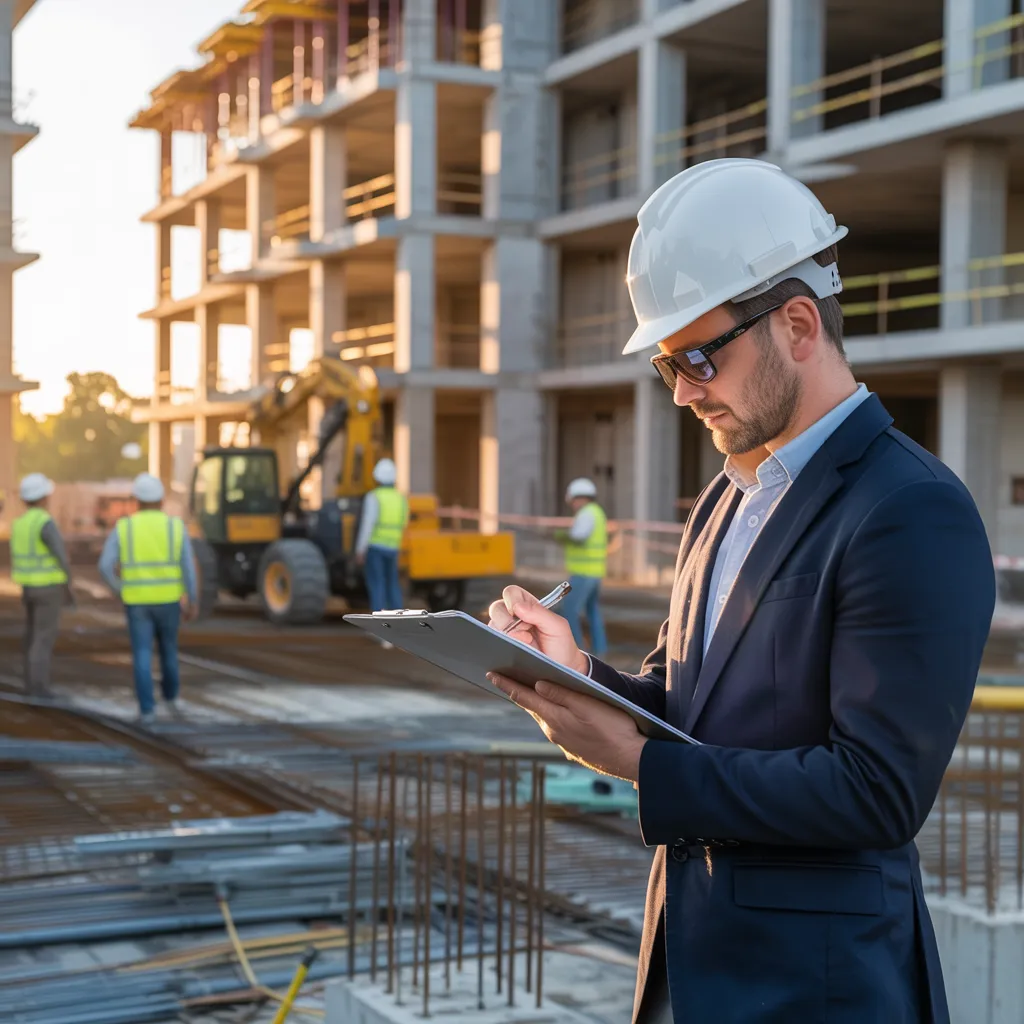
Key Principles of Construction Project Management
Efficient construction project management is built upon several key principles that underpin successful execution. First, clear communication is essential; it guarantees all stakeholders are aligned on project goals, timelines, and responsibilities. Second, thorough planning and precise scheduling are indispensable, facilitating the recognition of possible challenges and the strategic assignment of resources. Furthermore, prudent budgeting regulates spending and ensures the project stays within its fiscal constraints, thus preventing cost overruns that may hinder advancement. In addition, risk management involves anticipating challenges and devising strategies to mitigate them, ensuring smoother operations. Lastly, consistent oversight and assessment of progress facilitate prompt corrective actions, encouraging responsibility and openness across all phases of the project. By following these guidelines, construction managers can enhance efficiency and guarantee that projects are delivered on time, within scope, and to the required quality standards, ultimately contributing to the overall success of construction endeavors.
Cultivating a Collaborative Team Culture
Building a cohesive team dynamic is essential for efficient construction project management. Important components such as clear lines of communication, trust, accountability, and team-building activities considerably boost team dynamics. By prioritizing these components, project managers can foster an environment that encourages collaboration and efficiency.
Transparent Communication Channels
Open communication channels serve as the foundation of a collaborative team culture in construction project management. They support the effortless flow of information, making certain that all team members stay focused on key project milestones and schedules. By promoting transparent communication, project managers can address concerns promptly, resulting in faster resolutions and informed decisions. Frequent progress reviews promote openness, empowering team members to communicate progress and difficulties freely. Moreover, making use of diverse communication methods—including emails, digital project tools, and in-person discussions—improves overall accessibility and participation. In the end, creating a space where team members can freely express their opinions not only strengthens relationships but also drives project success by drawing on a range of insights and specialized skills.
Reliability and Transparency
Trust and accountability are central to a successful collaborative team culture in the realm of construction project management. When team members trust one another, they are more likely to share ideas, voice concerns, and support each other in accomplishing shared project goals. Accountability guarantees that individuals take responsibility for their actions and decisions, cultivating a culture of ownership among team members. This dynamic encourages proactive problem-solving and aids in minimizing disputes, as team members feel secure in expressing their viewpoints. Establishing clear roles and expectations further enhances trust and accountability, enabling the team to operate with greater efficiency. Ultimately, a culture rooted in these principles not only enhances team collaboration but also produces improved project outcomes, paving the way for sustained success.
Team Development Activities
While effective communication is essential for any team, taking part in thoughtfully organized team-building initiatives can substantially boost collaboration within a construction project management team. Such activities build trust, strengthen interpersonal connections, and eliminate hierarchical obstacles that may impede productivity. Through engaging in activities that promote problem-solving and innovation, team members discover how to utilize each other's capabilities, resulting in better project results. Moreover, team-building programs can raise morale and strengthen motivation, establishing a more harmonious work environment. Periodically arranged activities, whether held on-site or off-site, can underline the value of teamwork and common goals. At its core, committing to team-building fosters a collaborative culture, significantly affecting the overall success of construction projects.
Essential Tools for Construction Project Management
Effective construction project management relies heavily on a range of indispensable tools intended to simplify workflows and improve teamwork. Project management software is particularly notable among these, providing capabilities such as project scheduling, asset distribution, and task oversight. Such platforms facilitate real-time communication among team members, making certain all participants stay focused on project milestones.
Collaborative platforms, such as cloud storage and document management solutions, enable easy access to project files, minimizing the chances of miscommunication. Additionally, construction oversight applications deliver on-the-go access, allowing onsite teams to update progress and report issues immediately.
Additionally, budgeting and estimation software aids in accurate cost forecasting, which is fundamental for ensuring financial stability. BIM tools further contribute a key function, enabling teams to view projects in three dimensions, advancing design quality and decreasing errors. Combined, these resources create a solid framework for efficient construction project management, driving successful project outcomes.
Effectively Managing Risks and Budgets
Overseeing risks and budgets in construction projects is critical for maintaining financial stability and achieving project success. Successful risk management requires recognizing potential uncertainties that may affect timelines, costs, or quality. This necessitates a forward-thinking approach, incorporating detailed assessments and the creation of contingency plans. By foreseeing risks, project managers can minimize their impact, thus protecting the project's goals.
Concurrently, upholding a strict financial plan is critical. This involves continuous oversight of expenses and resource allocations. Leveraging forecasting techniques can aid in forecasting monetary requirements and adjust plans accordingly. Routine assessments of both risks and budgets allow for prompt action, ensuring that projects remain on track and within fiscal boundaries. At its core, the combination of budget control and risk assessment promotes a robust project setting, allowing teams to manage difficulties with confidence and accomplish their objectives.
Essential Budgeting Methods for Controlling Costs
Sound budgeting strategies are critical for preserving cost control in construction projects. Accurate cost estimation lays the foundation for financial planning, while continuous expense tracking ensures that any discrepancies are quickly resolved. Combined, these approaches assist project managers in upholding financial discipline across the details project's lifecycle.
Exact Cost Estimation
Accurate cost estimation is a cornerstone of successful construction project management, influencing budget allocation and resource planning. It involves a detailed analysis of all project components, including labor, materials, equipment, and overhead costs. By employing techniques such as historical data analysis, expert judgment, and parametric estimating, project managers can establish accurate estimates that align with real-world conditions. Moreover, integrating contingency reserves for unanticipated costs improves the resilience of the budget. Utilizing software tools can streamline the estimation process, improving accuracy and reducing human error. Ultimately, reliable cost estimations allow stakeholders to make sound and informed decisions, align expectations, and guarantee financial resources are allocated effectively, thus creating a path toward project success and reducing the likelihood of budget overruns.
Continuous Expense Tracking
Monitoring continuous costs is critical for maintaining financial stability in building projects. Sound budgeting practices involve regular tracking of expenditures against the original budget. This approach allows project leaders to spot variances early, enabling prompt remedial steps. Leveraging software tools can streamline this workflow, offering real-time data on cost trends. Additionally, establishing a contingency fund serves to manage unanticipated expenditures without compromising the broader financial plan. Consistent budget evaluations with key stakeholders promote open communication and synchronize objectives. By fostering a culture of cost awareness among project personnel, organizations can enhance accountability and encourage proactive decision-making. Ultimately, regular expenditure tracking acts as a cornerstone for effective project delivery, preventing budget overruns and enhancing financial health.
Evaluating Success: KPIs for Project Assessment
Evaluating outcomes in the field of construction project management relies upon the creation of essential performance benchmarks (KPIs) that offer measurable data on project progress and outcomes. These metrics serve as critical benchmarks, permitting project managers to gauge efficiency, quality, and stakeholder engagement. Typical KPIs comprise the cost performance index (CPI), the schedule performance index (SPI), and the overall project completion percentage.
By assessing these indicators regularly, teams are able to identify areas needing improvement and apply data-driven decisions to improve performance. Moreover, KPIs connected to safety metrics and workforce efficiency help establish a holistic view of project health.
Establishing well-defined KPIs at the start of the project guarantees agreement among all stakeholders and offers a framework for accountability. Periodically assessing these indicators promotes a anticipatory approach, empowering teams to adapt strategies as obstacles emerge. Overall, effective KPI monitoring is vital for achieving project objectives and ensuring successful outcomes in construction management.
Questions We Often Receive
What Are the Best Ways to Improve Stakeholder Communication During a Project?
To improve engagement with stakeholders during a project, one should set up consistent updates, utilize clear and concise messaging, make use of multiple communication channels, and consistently solicit feedback to promote collaboration and openness across all project phases.
What Certifications Should Construction Project Managers Pursue?
Certifications beneficial for construction project managers include PMP, CCM, and AC designations. These certifications improve skills, professional credibility, and career opportunities, ensuring effective project execution and stakeholder satisfaction throughout the construction process.
What Is the Best Way to Handle Conflicts Within the Project Team?
To address conflicts among the project group, one should promote open communication, genuinely hear all perspectives, lead conversations to determine common goals, and encourage teamwork-based solutions to reach mutually beneficial resolutions.
What Are the Most Effective Best Practices for Vendor Selection?
Best practices for vendor selection include evaluating qualifications, verifying references, analyzing pricing structures, reviewing historical performance, confirming compatibility with project objectives, and encouraging clear communication. Comprehensive due diligence reduces risks and improves project outcomes.
How Can Technology Enhance Construction Project Management?
Advanced technology revolutionizes construction project management by enhancing communications, boosting data accuracy, facilitating real-time collaboration, and streamlining key processes. This technological integration drives increased efficiency, decreased expenses, and more informed decisions across the entire project lifecycle.